K-Culture
At the Quietest Border — A Private DMZ Tour
The most heavily guarded border in the world — and its most untouched nature. Visit the front line of division with a dedicated guide and interpreter, at your own pace.
2026-07-10
For those who want to see a site of modern Korean history with their own eyes, travelers who'd rather move at their own pace than in the noise of a group bus tour, and families who want to talk with their children about what peace means.
What Is the DMZ
The DMZ (Demilitarized Zone) is a buffer strip roughly 250km long, running the width of the Korean peninsula along the Military Demarcation Line drawn by the 1953 Armistice Agreement, extending 2km to the north and south. Untouched by human footsteps for more than seventy years, this narrow strip of land has, paradoxically, become home to some of the best-preserved nature in the world, known as a habitat for cranes and other migratory birds along with a wide range of wildlife. Standing at an observatory, the landscape of division and the quiet wetlands seem to overlap within arm's reach, and a border you've only seen on a map suddenly becomes real.
Why Go Private
Entry procedures and accessible areas around the DMZ change frequently depending on the security situation, and some areas require advance applications or identity checks. OASIS prepares everything in advance — entry permits, vehicle, dedicated guide, and interpreter — as one team, and adjusts the route to match conditions on the day. Instead of a group itinerary rushing between stops on a fixed schedule, we build a day where you can linger longer at what interests you and ask questions on the spot. Traveling as a family or small group also means the pace can be set to match everyone's interests and stamina.
A Sample Day
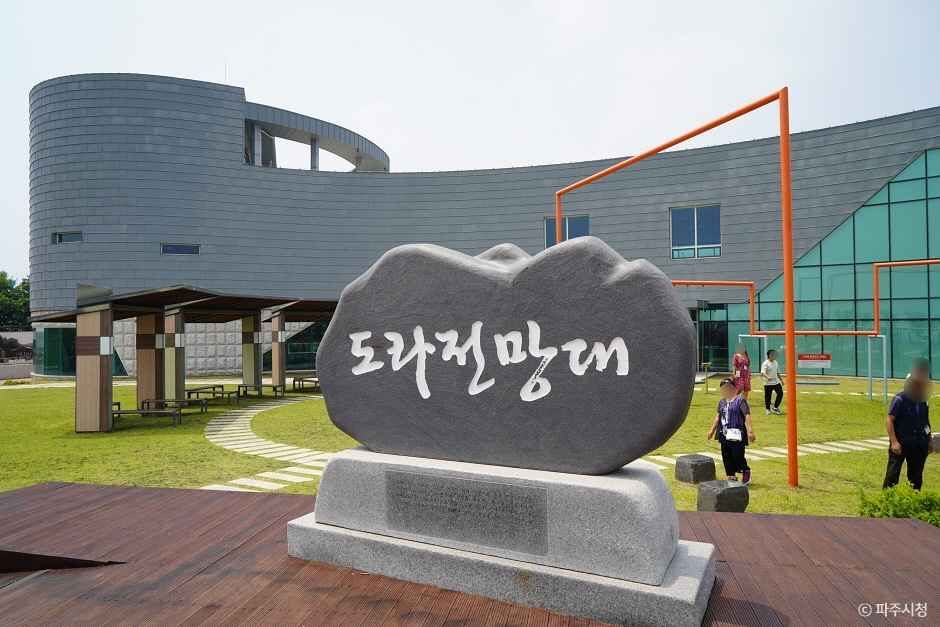
Depart Seoul in the morning and tour the Imjingak area, taking in facilities and monuments connected to the division. From there, an observatory visit with commentary brings you face to face with the view beyond the Military Demarcation Line — a view that shifts slightly with the weather and visibility of the day. After lunch, walk slowly through the villages and wetlands of the border region and hear the stories of those who have lived on this land, then reflect together on the way back to Seoul on everything seen and heard that day. The specific areas visited and their order are adjusted together in consultation, based on the season, the security situation, and your party.
- Duration
- A full day (round trip from Seoul)
- Best for
- Individuals, families, and small groups interested in history and modern Korea
- Included
- Dedicated guide · interpretation · private vehicle
- Booking
- Schedule and areas confirmed through a private consultation
Start this journey with a consultation
K-Culture consultationPhotos © Korea Tourism Organization (KOGL Type 1)