K-Culture
Five Hundred Years, Passed Through the Hands — Hanok, Hanbok, and Tea Ceremony
The grain of a hanok, the line of a hanbok, the silence of a tea ceremony. A day designed to experience, firsthand, traditions passed down through the hands of master craftspeople.
2026-07-10
For travelers who want a trip that lingers as touch rather than photographs, anyone who'd rather experience tradition than have it explained, those who want to finish something with their own hands, and families looking for a quiet day everyone can share.
What It Means to Stay in a Hanok
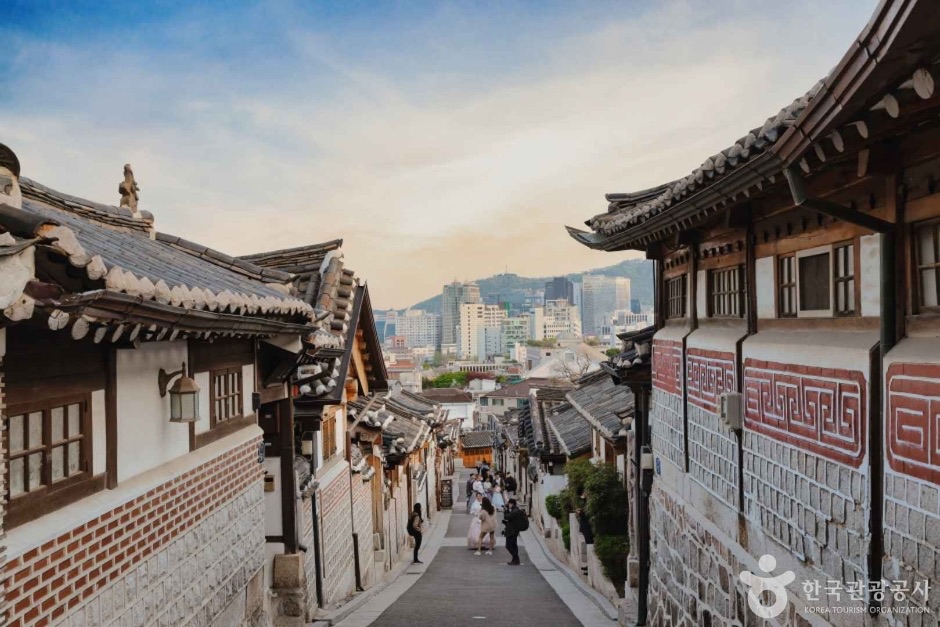
A hanok stands without a single nail, its timbers interlocked entirely by joinery. The gentle curve of the eaves, light diffusing softly through paper-screen windows, and the open boundary between courtyard and room create a sense of space wholly unlike Western housing. Walk a narrow alley into an actual hanok, trace the grain and structure of the wood with your own eyes and hands, and you finally feel a warmth no photograph could convey. The light and shadow across the courtyard shift with the seasons, so the hanok you meet depends entirely on when you visit.
Hanbok, a Line Made for You
There's no single right answer with hanbok. The curve of the jeogori's sleeve line, the length and volume of the skirt, the combination of colors — each shifts the impression entirely. Chosen to fit your build, your taste, and even that day's itinerary, a hanbok worn through a palace or a hanok alley turns traditional dress from something behind museum glass into an expression of you, today. The line drawn by the sash and skirt hem with every step is a sight in itself, and you'll see firsthand how a single small ornament — a norigae or a hairpin — can change the whole impression.
Tea Ceremony and Craft, Slow Time
Warming the cup, gauging the water's temperature, sharing the steeped tea — in a tea ceremony, every single step becomes its own form of meditation. We can also arrange a short session of traditional craft, shaping pottery or knotting maedeup, so you finish something with your own hands. Speaking less and focusing instead on hand, eye, scent, and warmth makes this some of the quietest — and most memorable — time of the whole trip. Comparing how a tea leaf's aroma and color shift with the season is one more small pleasure of the ceremony.
A Sample Day
We suggest a morning in hanbok walking hanok alleys, an afternoon trying traditional crafts, and a late-afternoon tea ceremony to close the day. The order and weight given to each experience can be adjusted freely for age, interest, and stamina, and a visit to a hanok stay can be added if you'd like. On days with poor weather, we shift the order toward indoor experiences — the exact program is worked out together during your consultation.
- Duration
- Half a day to a full day, depending on the program
- Best for
- Individuals and families interested in traditional culture and craft
- Included
- Dedicated guide · interpretation · private vehicle
- Booking
- Program and schedule confirmed through consultation
Start this journey with a consultation
K-Culture consultationPhotos © Korea Tourism Organization (KOGL Type 1)